Nature or nurture: can genes shape our behaviour?

Loading player...
How much do our genes determine about our lives, and could they influence traits like risk-taking, antisocial behaviour or even violence? Ian Sample talks to Kathryn Paige Harden, a behavioural geneticist and professor of psychology at the University of Texas at Austin who studies how genetic factors shape human behaviour. In her book Original Sin she explores how nature and nurture combine to influence our likelihood of committing crimes, and asks whether the ‘cause’ of our actions matters for how we think about culpability. Help support our independent journalism at theguardian.com/sciencepod

25 Jun English United Kingdom Science · Nature

Other recent episodes

Is your boss watching you? The rise of AI surveillance at work

Workers have always been monitored by their bosses, first through output targets, and then via computer software labelled ‘bossware’. But AI is transforming the capabilities of these systems, processing huge volumes of data to provide minute-by-minute accounts of activity, and productivity. To find out more, Ian Sample hears from UK…
15 Oct 17 min

The surprising psychology of morbid curiosity

US defence secretary Pete Hegseth’s plan to livestream the execution of Nidal Malik Hasan has incurred condemnation from human rights groups and politicians on all sides. But according to Coltan Scrivner, an author and psychologist at Arizona State University and expert on morbid curiosity, people are still likely to watch…
13 Oct 17 min

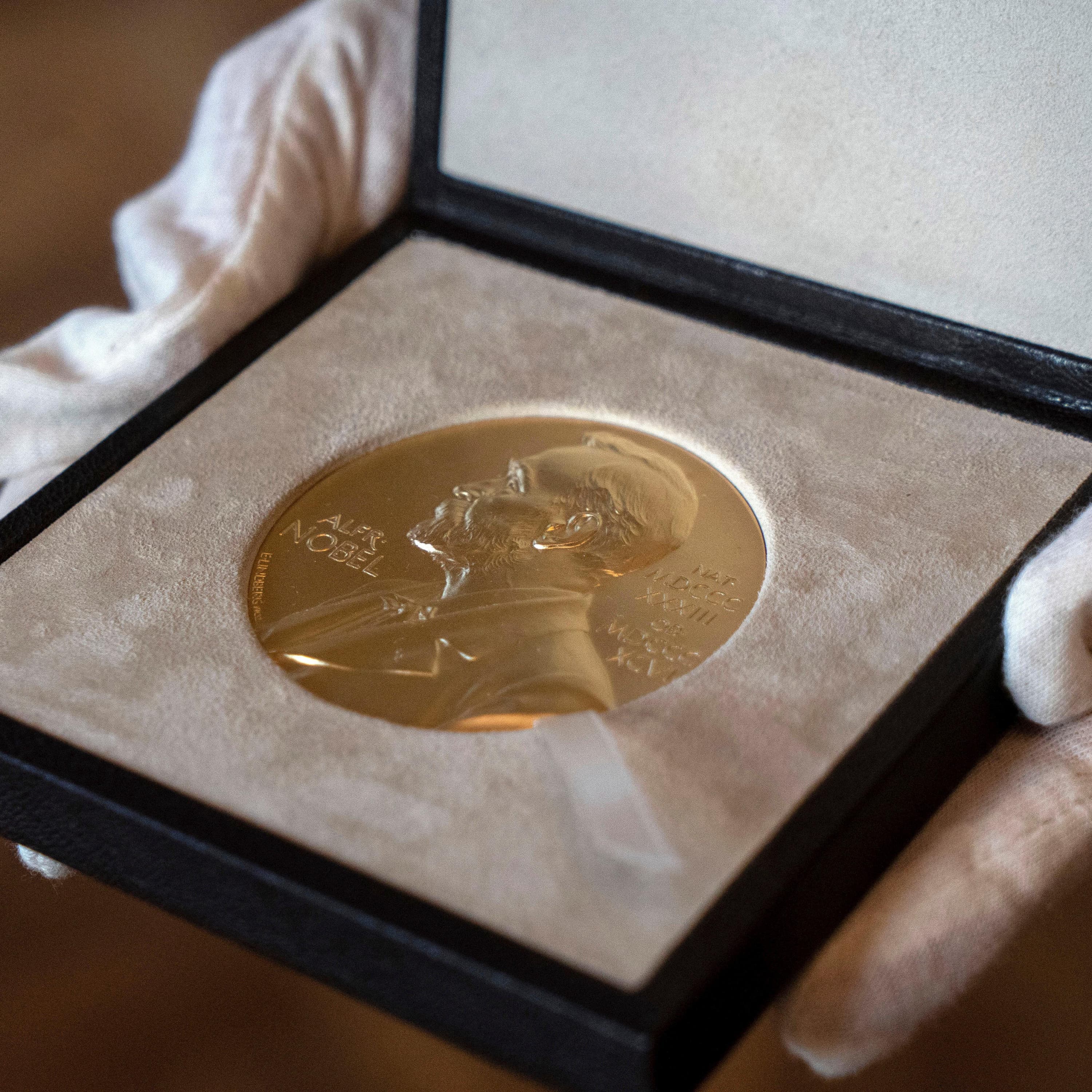
All the news and science from the 2026 Nobel prizes

This year’s Nobel prizes in chemistry, physics and physiology or medicine have celebrated work that has been used to develop countless drugs and transform modern medicine, allowed physicists to observe one of the most mysterious particles, and provided a tool that could act as an on/off switch for brain cells…
7 Oct 23 min

Today in Focus: should we be worried about a plague outbreak?

Quarantine measures have been in place in several hospitals in eastern Russia since a 28-year-old laboratory worker, Darya Shipilova, died after falling ill at work following a reported accident at a plague research centre in Siberia. Russia’s health watchdog has said she died of ‘pneumonia of unknown aetiology’, but there…
6 Oct 13 min

Narcolepsy: why you’ve been thinking about it all wrong

The sleep disorder has been the butt of jokes and a comedic plot point, but the reality of living with narcolepsy is anything but funny. Things could be about to change for people with the condition though, after the US Food and Drug Administration (FDA) approved the first ever drug…
6 Oct 16 min