Helium: the invisible gas that powers AI, and why it’s in short supply

Loading player...
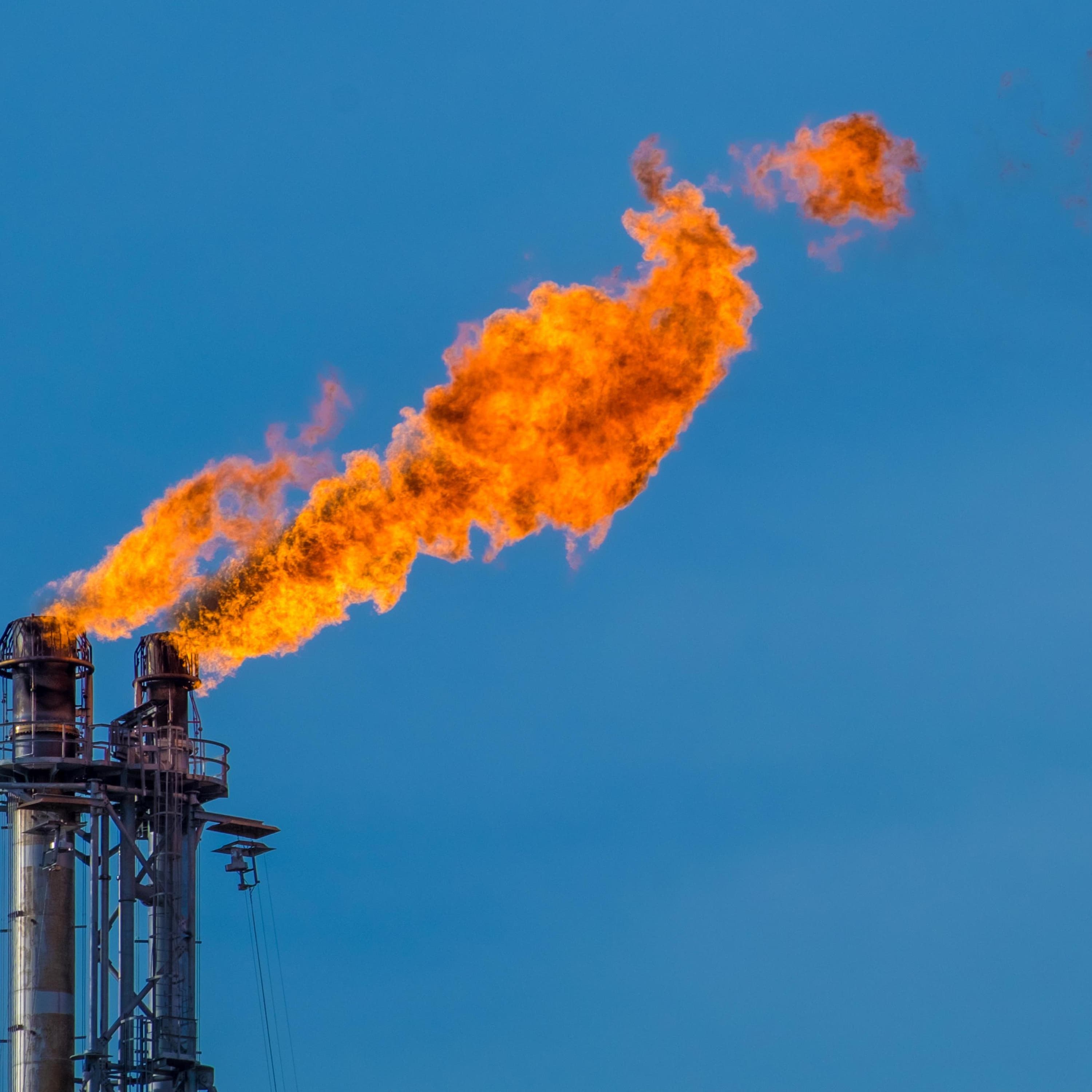
Alongside the oil and gas stranded in the strait of Hormuz is another commodity vital to today’s economy: helium. It is a critical element in all kinds of areas from MRI machines to the Large Hadron Collider, and even deep-sea diving. It is also integral to the AI boom. And this isn’t the first time its fragile global supply chain has been threatened. So why is helium so useful, and what will happen if the shortage continues? Ian Sample hears from co-host Madeleine Finlay, and from Sophia Hayes, professor of chemistry at Washington University in St. Louis. Help support our independent journalism at theguardian.com/sciencepod

14 Apr English United Kingdom Science · Nature

Other recent episodes

Nature or nurture: can genes shape our behaviour?

How much do our genes determine about our lives, and could they influence traits like risk-taking, antisocial behaviour or even violence? Ian Sample talks to Kathryn Paige Harden, a behavioural geneticist and professor of psychology at the University of Texas at Austin who studies how genetic factors shape human behaviour…
25 Jun 19 min

Extreme heat: is the UK becoming a 40C country?

Met Office forecasters have issued a rare red weather warning for England, with temperatures potentially reaching 40C (104F) in some places. Europe is also dealing with a debilitating heatwave, with schools closed, trains cancelled and France even restricting the consumption of alcohol outdoors to take pressure off the emergency services…
23 Jun 14 min

The audacious plan to refreeze the Arctic

Sea ice is melting fast and worsening the climate crisis. But what if there were a way to thicken it again? Madeleine Finlay is joined by environment editor Damian Carrington to discuss a bold attempt to refreeze the Arctic which is showing early signs of success. He visited the project…
18 Jun 16 min

Should we ban social media for under-16s?

The UK prime minister, Keir Starmer, has announced a social media ban for under-16s, as part of an online safety drive that aims to go even further than the world’s first ban, introduced by Australia last year. Many parents have welcomed the proposals, but scientists have pointed to the lack…
15 Jun 20 min

‘The undruggable became druggable’: a breakthrough cancer treatment

A daily pill can double survival time in patients with the world’s deadliest cancer, according to the results of a clinical trial that experts are saying is a gamechanger and one of the biggest breakthroughs in decades. To find out more about how daraxonrasib works and how life-changing it could…
11 Jun 14 min