‘Everything is quagga mussel now’: can invasive species be stopped?

Loading player...
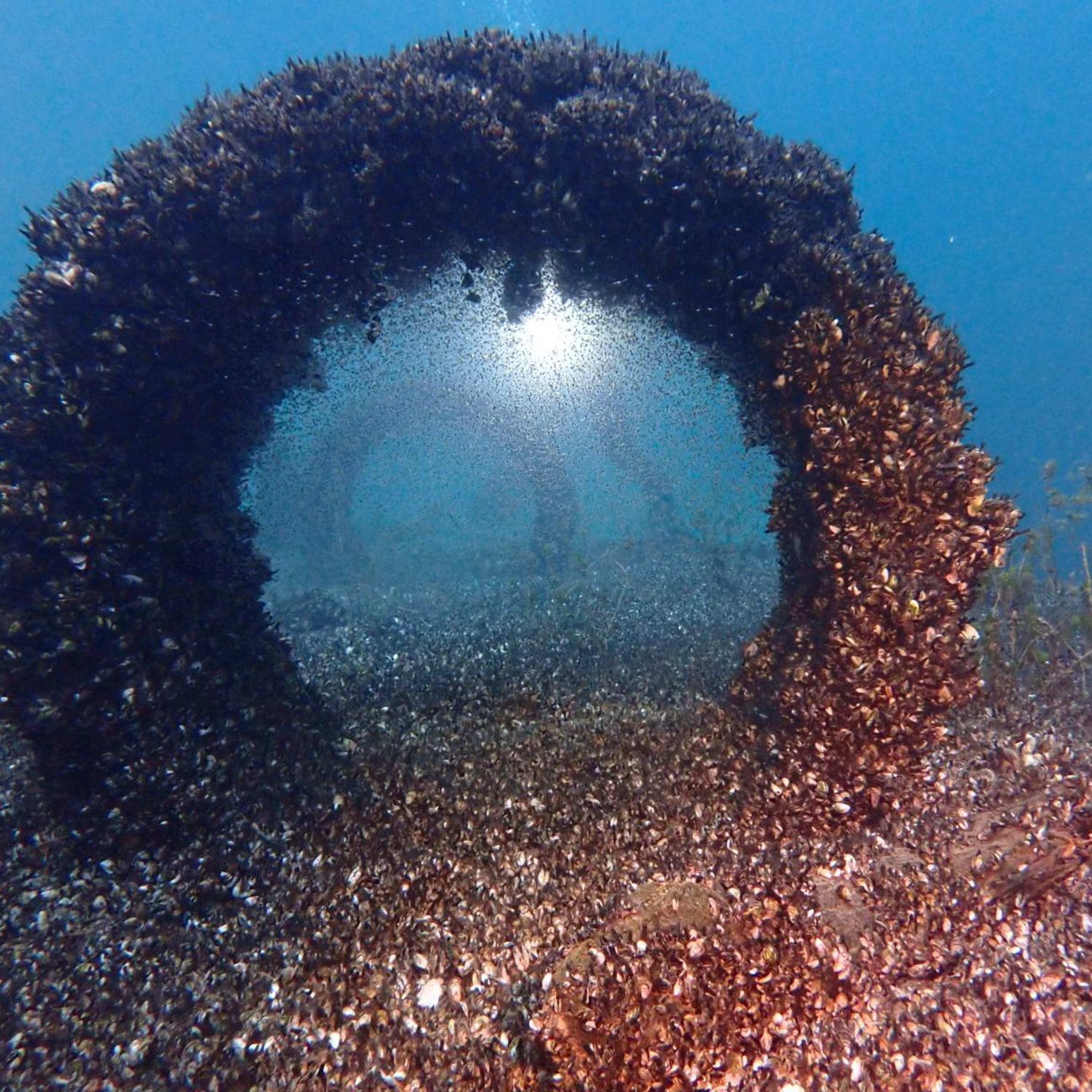
On a recent trip to Lake Geneva in Switzerland, biodiversity reporter Phoebe Weston witnessed the impact of one of the planet’s most potent invasive species, the quagga mussel. In just a decade the mollusc, originally from the Ponto-Caspian region of the Black Sea, has caused irreversible change beneath the surface of the picturesque lake. While ecologists believe invasive species play a major role in more than 60% of plant and animal extinctions, stopping them in their tracks is almost impossible. Phoebe tells Madeleine Finlay how invasive species spread, how conservationists are trying combat them and why some think a radical new approach is needed.. Help support our independent journalism at theguardian.com/sciencepod

5 Feb English United Kingdom Science · Nature

Other recent episodes

Everyone hates datacentres. Do we really need them?

AI companies have promised us world-shifting technology. But there’s a cost: loud, unsightly datacentres that drain environmental resources. As the government pushes their rapid growth, can local communities do anything to push back? Madeleine Finlay speaks to the Guardian’s global technology reporter Aisha Down about the backlash to datacentres across…
27 Aug 16 min

Creatine: is there truth behind the hype?

Creatine has become the go-to supplement for anyone wanting to give their fitness a boost and build muscle. It’s even made it out of the gym, with influencers touting its cognitive benefits. But what’s the science behind creatine, and does the evidence stack up? Madeleine Finlay hears from science editor…
25 Aug 15 min

It’s finally raining. Will it be enough to end the drought?

After a summer that has seen England and Wales experience the driest July since records began, rain is finally on the horizon. But with reservoirs at ‘exceptionally low’ levels, will there be enough rain to replenish stocks? Madeleine Finlay hears from Dr Anna Murgatroyd, a lecturer in hydrology at Newcastle…
20 Aug 15 min

The ultra rich are collecting fossils, and that’s bad for science

One of the UK’s best fossil collections has been sold overseas in what experts have called a loss to the nation. The collection, which is now on display at the Natural History Museum in Abu Dhabi, was gathered on Dorset’s Jurassic Coast. As dinosaur fossils sell to private collectors for…
18 Aug 14 min

The immortal jellyfish and other mindblowing invertebrates

Each year the Guardian runs a competition to find the invertebrate of the year. To find out more about the 2026 nominees science editor Ian Sample hears from climate reporter Petra Stock, environment reporter Oliver Milman and Science Weekly co-host Madeleine Finlay. They each nominate an incredible invertebrate that you…
13 Aug 15 min