Into the photic zone: does a darkening ocean threaten marine life?

Loading player...
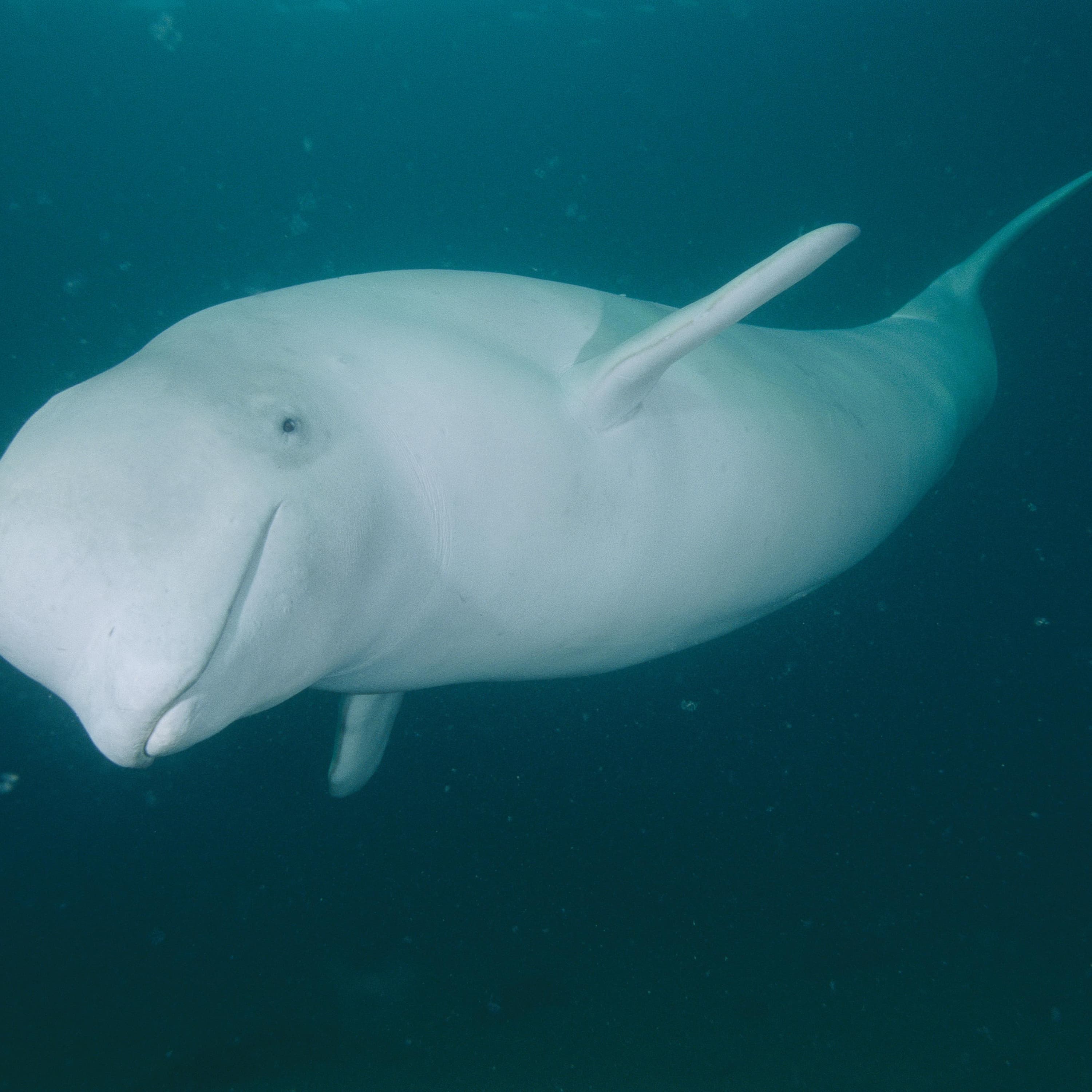
Vast areas of the ocean are getting darker, according to research based on satellite imaging. Marine ecosystems are governed by faint light changes – from mass nightly migrations to coral spawning cycles – so what happens when that light begins to fade? Ian Sample talks to Prof Tim Smyth from the Plymouth Marine Laboratory about why this darkening is happening and how life in the ‘photic zone’ – the sunlit upper layer that is home to 90% of marine organisms – could be profoundly affected Planet’s darkening oceans pose threat to marine life, scientists say. Help support our independent journalism at theguardian.com/sciencepod
5 Jun 2025 English United Kingdom Science · Nature

Other recent episodes

Meningitis explained: who is most at risk?

Over the weekend, news emerged of an outbreak of meningitis among university and school students in Kent in south-east England. The outbreak has killed two young people and left several others seriously ill. Health officials confirmed that the meningitis B strain has been identified in some of the cases. To…
18 Mar 15 min

What’s behind the injectable peptide craze?

Grey-market injectable peptides – a category of substances with obscure, alphanumeric names such as BPC-157, GHK-Cu, or TB-500 – have developed a devoted following among biohackers and health optimisers. To understand how these unregulated substances have become mainstream and what they could be doing in our bodies, Madeleine Finlay hears…
17 Mar 17 min

Was Iran really building a nuclear weapon?

Among the many justifications Donald Trump has presented for the US and Israel attacking Iran has been the supposedly imminent threat posed by its nuclear weapons programme. But how close was the country really to developing an atomic weapon? Ian Sample hears from Kelsey Davenport, the director of non-proliferation policy…
10 Mar 16 min

Will China own the green energy future?

The conflict in the Middle East has sent energy prices soaring, and for countries that import a high proportion of their fuel, it’s a reminder of the perils of energy dependence. As the recipient of almost 90% of Iran’s crude oil, China knows this only too well. Which partly explains…
5 Mar 17 min